Plan Your Walk on the Columban Way
Walking the Columban Way can be a rewarding and memorable experience. Careful planning will help ensure that your journey is safe, enjoyable and suited to your interests and abilities.
Walking the Route
The Columban Way combines different types of terrain including quiet country roads, rural paths and scenic landscapes.
Many stages are suitable for walkers with moderate fitness. However, distances and terrain can vary, so it is important to review route information before starting your journey.
STAGES
Route - 581km(CW) or 650km (Via Col)
The stages 1-5 and stage 33 (in blue) are waymarked with Turas Columbanus/Columban way signage. The other sections 6-33 are not yet waymarked but can be followed on GPX.
All of the route is on GPX and can be found on the Via Columbani website here.
They can also be downloaded to your mobile phone from here.
Columban Way Ireland 33 Stages
SUGGESTED ITINERARIES
There are many ways to experience the Columban Way.
- Short Walks
Ideal for visitors who want to explore a section of the route during a day trip.
- Weekend Walks
Two-day itineraries allow walkers to enjoy the landscape while exploring heritage sites along the route.
- Multi-Day Walks
Longer journeys allow walkers to complete multiple stages and experience the route more fully.
Many pilgrims choose to return each year to complete additional stages.
Bunclody or St Mullins to Athy – c111km
Athy to Clonard – c84km
Clonard to Kingscourt – c85km
Kingscourt to Belturbet – c76 km
Trip to Cleenish island by boat and onto Crom or public transport and a 10km walk. Journey on to Enniskillen and onto Newtownbutler to rejoin the trail.
Belturbet/Crom (or Newtownbutler) to Armagh – c85km
Armagh to Newcastle – c107km
Newcastle to Bangor – c90km
Getting There
The Columban Way is accessible through several transport connections including:
- regional towns
- bus services
- railway links
- nearby airports
Many stages begin in towns where public transport connections are available.
Accommodation
Accommodation along the route may include:
- hotels
- bed and breakfasts
- guesthouses
- hostels
Many local accommodation providers welcome walkers and are familiar with the needs of long-distance travellers.
Food and Local Hospitality
Walking the Columban Way also provides an opportunity to enjoy local hospitality.
Towns and villages along the route often provide:
- cafés and bakeries
- restaurants
- traditional pubs
- local produce and artisan foods
Food and hospitality are an important part of the pilgrim experience.
Route Signage
Sections of the Columban Way are gradually being developed with route markers and signage to help guide walkers.
These markers may include:
- directional signs
- trail symbols
- information boards
Walkers are encouraged to carry maps or guidebooks in addition to following route markers.
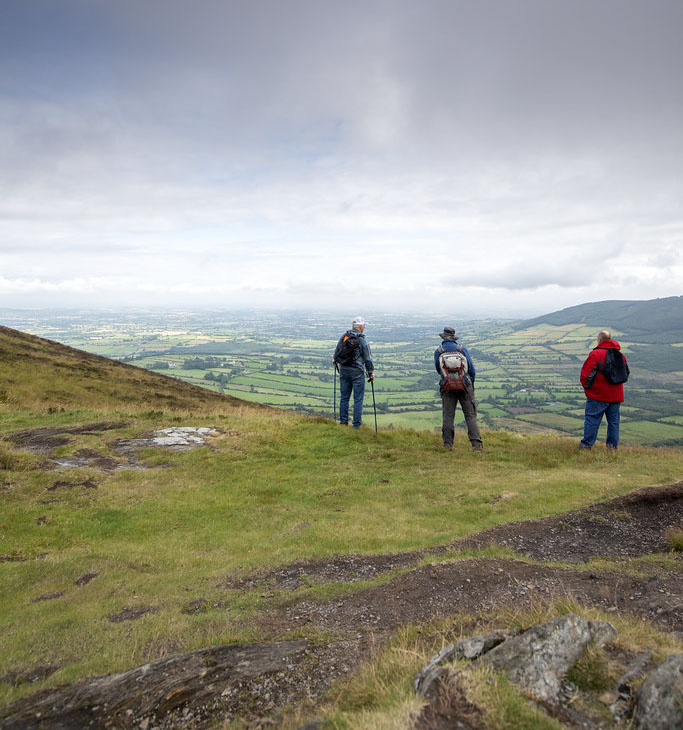
Equipment for Walking the Route
Preparing the right equipment is essential for an enjoyable walking experience.
Recommended items include:
- trainers/hiking shoes
- waterproof jacket and clothing
- backpack
- water bottle
- snacks
- navigation maps
Weather conditions can change quickly, so suitable clothing and preparation are important.
Pilgrimage and Reflection
Pilgrimage has long been part of European cultural tradition. Walking historic routes provides time for reflection, exploration and connection with nature.
The Columban Way continues this tradition by inviting walkers to follow the footsteps of one of Ireland’s most remarkable travellers.
Frequently Asked Questions
PLANNING YOUR WALK
Spring, summer and early autumn are generally the most popular seasons for walking due to longer daylight hours and milder weather.
Yes. It is advisable to take regular practice walks before beginning your journey and gradually increase the distance you walk.
ROUTE AND NAVIGATION
Some sections of the Columban Way are signposted, and further signage will continue to be developed.
Walkers should also carry maps or digital navigation tools.
Yes. Many walkers use GPS apps and digital maps to follow long-distance walking routes.
HEALTH AND SAFETY
If you become ill or injured, stop walking and seek assistance if necessary. Emergency services in Europe can be contacted by dialling 112.
The Columban Way is a long-distance cultural walking route that combines heritage, landscape and pilgrimage traditions.
It is similar in concept to other European pilgrimage routes such as:
- Camino de Santiago
- Via Francigena
- St Cuthbert’s Way
Walkers can complete the route in stages over several days or return multiple times to complete different sections.
PILGRIM PASSPORT
A pilgrim passport is a document carried by walkers on many historic pilgrimage routes.
The passport can be stamped at locations along the route such as:
- churches
- visitor centres
- accommodation providers
It records the journey and provides a meaningful souvenir of the pilgrimage.
Some pilgrimage routes offer certificates for walkers who complete specific sections.
The Columban Way aims to develop similar traditions, recognising walkers who complete stages of the route.